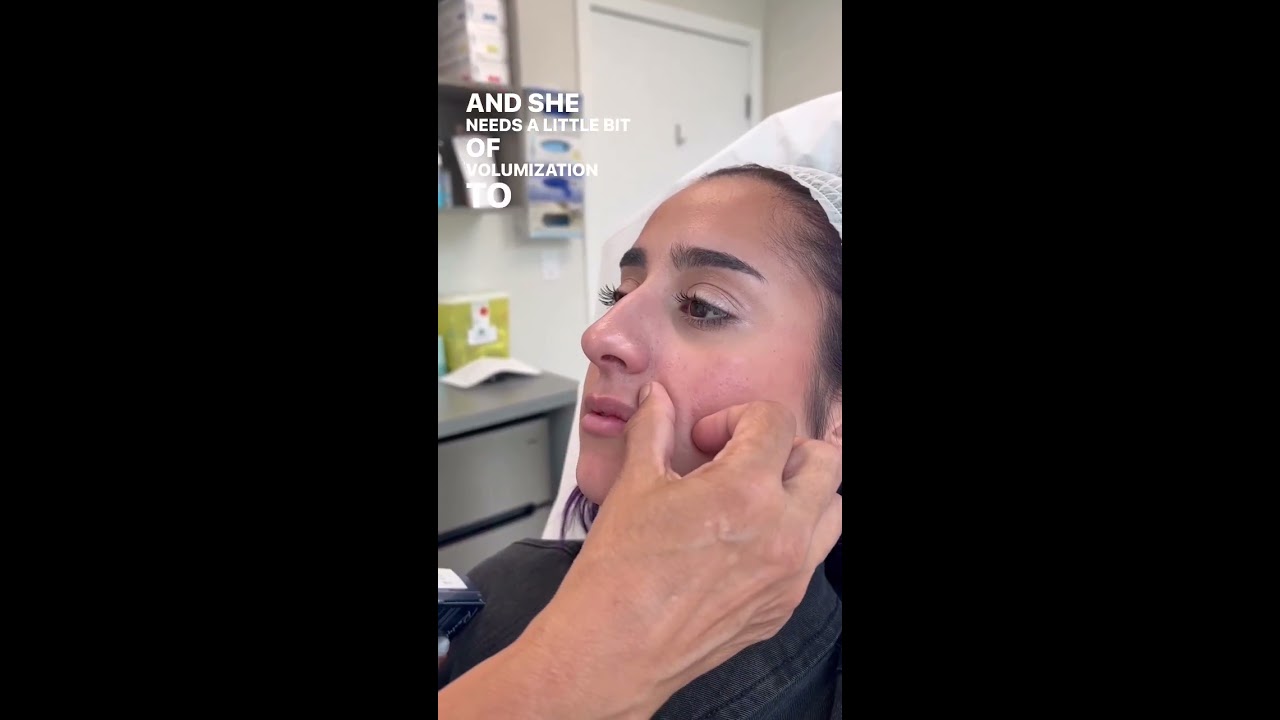
If you spend any time in a treatment room, you hear the word “addictive” tossed around about lip filler. Sometimes it comes from a worried first timer, sometimes from a friend who watched someone go from a subtle lip enhancement to a look that no longer fits their face. The truth is less dramatic and far more practical. Hyaluronic acid lip fillers are not chemically addictive. No receptor in the brain lights up in a way that creates physiological dependence. What can be addictive is the experience of change, the attention to detail that aesthetics invites, and the social feedback loop from fuller lips. In other words, the psychology around lip injections, not the gel itself, is what needs thoughtful boundaries.
This piece lays out what lip filler is and what it does, where expectations go off the rails, and how to decide on a plan that protects your lip health, your budget, and your sense of self. You will find first appointment advice, realistic lip filler swelling stages, tips for recovery and retention, and a frank discussion of common mistakes to avoid.
What lip filler actually is
Most modern lip augmentation relies on hyaluronic acid, a sugar our bodies naturally produce. Brands vary in crosslinking and viscosity, which changes how a gel behaves inside the lip. Softer formulations, often used as a natural lip filler, integrate smoothly and give hydration with a flexible feel. Thicker options add projection, structure, or lip border definition when placed into the vermilion border or philtral columns. If you ask five injectors for the best filler for lips, you will hear a handful of names, each tied to a technique and a specific lip puzzle: volume loss, asymmetry, lack of definition, smokers lines, or a flat cupid’s bow.
Temporary lip filler typically lasts 6 to 12 months in the lips. Highly dynamic tissue and strong vascularity mean many patients metabolize filler faster than in other areas. Some people see their lip filler results soften in 4 to 6 months. A smaller group retains volume for 12 to 18 months. That range is normal. Permanent lip filler and implants exist, but they carry higher risk profiles, more migration issues, and fewer options for reversal. For most people, hyaluronic acid remains the safest, most controllable route, especially because it can be dissolved with hyaluronidase if needed.
Why people worry about “addiction”
I’ve watched patients return after their first time lip filler, both excited and a bit unsettled. The mirror shows a lip shape they wanted for years. Then swelling subsides, and the volume settles. The high of change gives way to the baseline of normal. That swing is fertile ground for compulsion. Combine it with social media’s parade of lip filler before and after photos, and it is easy to believe you need just “a touch more.” In practice, most overfilling happens when there is no clear treatment goal, no photographic baseline, and no spacing between appointments that lets your eye recalibrate.
There are also cultural scripts at play. Fuller lips read as youthful and sensual. For some, the first lift in the corners or smoother vertical lines makes them feel seen. For others, it solves a long-standing asymmetry that made lipstick a chore. Neither is wrong. The key is keeping the treatment aligned with your own face rather than chasing a trend.
What to expect from lip filler, without the fluff
Expect a lip filler appointment to take 30 to 60 minutes, including consultation, photos, numbing if used, and injections. The injection time itself is usually under 15 minutes. Describing lip filler pain level is tricky. With topical numbing and lidocaine in the filler, I would call it uncomfortable rather than painful. Most people rate it 3 to 5 out of 10, with a few sharp pinches near the cupid’s bow and lip border.
Swelling shows up fast. Day one can look slightly cartoonish, especially if you had lip border definition or work to lift corners. Bruising varies. One person walks out pink and puffy, another develops a purple stripe the next morning. Swelling typically peaks at 24 to 48 hours, then settles over a week. Small lumps are common early on, usually representing localized swelling or gel in integration. Gentle massage only if instructed by your provider. By the two week mark, the filler has softened and your lip shape makes more sense. Most providers schedule a lip filler touch up or review at 2 to 4 weeks if you need refinements.
The difference between lip filler and a lip flip
Patients often ask about lip filler vs lip flip because they see “lip flip” on menus and assume it is the same. A lip flip uses a small amount of botulinum toxin to relax the upper lip’s orbicularis oris muscle so the lip rolls slightly outward, showing more pink. It can improve the smile line for people whose top lip disappears when they grin. It does not add volume. Lip filler adds volume, shape, and hydration. They can be combined, but a lip flip slightly weakens lip function. If you play woodwind instruments, frequently use a straw, or prioritize strong lip closure, discuss whether it fits your lifestyle.
Safety, anatomy, and the reality of risk
Is lip filler safe? In qualified hands, yes. The lip area has robust blood supply from the superior and inferior labial arteries. The risk we work around is intravascular injection, which can compromise tissue. Skilled Orlando lip filler injectors know the landmarks, aspirate when appropriate, use small aliquots, and pay attention to pain, blanching, or mottling. Hyaluronidase sits ready in the room. Less serious issues include bruising, swelling, tenderness, cold sore flare in HSV-1 carriers, and rare hypersensitivity reactions. The big topic lately is lip filler migration. Migration often reflects overfilling, superficial placement, too frequent top ups, or connective tissue that does not hold gel well. If a provider says “migrated filler is a myth,” find another provider.
Your first appointment, demystified
A good lip filler consultation should feel like a slow exhale. Expect a review of medical history, allergies, cold sores, clotting or autoimmune disorders, and any previous filler. Plan for photos at rest and smiling. A mirror comes out, and you and your provider mark asymmetries: perhaps the left top lip has less height, or your bottom lip is a bit heavier on the right. Discuss “top lip filler only” or “bottom lip filler only” if you have a specific imbalance. Many people benefit from adding a touch of volume to both, keeping the lower lip slightly fuller than the upper to maintain proportion. For subtle lip filler, 0.5 ml can lift the cupid’s bow and lip border. For definition and volume, 1 ml is typical. Needing more than 1 ml in a single session is uncommon for a natural looking lip filler result.
Avoid blood thinners if medically appropriate. Many clinics advise stopping fish oil, high dose vitamin E, and NSAIDs for 3 to 7 days before treatment. Do not stop prescribed medications without medical guidance. If you are prone to cold sores, ask about prophylactic antivirals. Hydrate well the day before. Eat something. Nobody handles needles well on an empty stomach.
The swelling story, day by day
People Google “lip filler swelling stages” for good reason. It feels better when you can name what you are seeing. Day one brings fullness, sometimes uneven. Day two often looks bigger. Day three the swelling starts to retreat, and small firm areas become more noticeable to your fingers. Days four to seven you look increasingly like yourself, perhaps with faint bruising that makeup can cover. By two weeks, you can judge the result. The lip filler healing process is rarely linear. If your top lip shows more swelling than the bottom or one side looks lumpy early on, that alone is not a sign of trouble. What we watch for is pain that worsens, blanching, dusky color, heat, or new numbness. If you see those, call your provider immediately.
Aftercare that actually matters
Most aftercare is common sense, but details help. The first day, keep the area clean, avoid pressure, and skip heavy exercise. You can eat after lip filler, but choose soft, cool foods the first few hours. Spicy dishes, piping hot drinks, and alcohol can increase swelling. Sleep with your head slightly elevated the first night. Avoid lipstick and heavy makeup over injection points for 24 hours. If you see bruising, arnica or topical vitamin K can help a bit, but time is the main healer. Cold compresses on and off in 10 minute intervals ease swelling the first day.
A frequent question: can you work out after lip filler? Give yourself 24 hours before moderate exercise, 48 hours before intense training or sauna. Does lip filler affect kissing? It can feel tender for a couple of days, and your partner may feel small bumps. Gentle is the rule until tenderness passes. What not to do after lip filler includes dental procedures and facial massages in the first week if possible. If you must see your dentist, tell them you recently had filler so they can avoid lip retractors that press hard on the tissue.
How much do you really need, and how often
“How much lip filler do I need?” sounds straightforward, but face shape, lip length, tooth show, and gum display all shape that answer. The classic starting point is 0.5 to 1 ml. Smaller volumes achieve subtle, hydrated, natural looking lip filler. For lip filler for thin lips or mature lips that have lost volume and definition, you might build 1 ml over two sessions. For lip filler for men, many choose to keep the lip border clean and the shape square, avoiding overt cupid’s bow emphasis. For a person correcting asymmetry, you might place most of the product on one side, then refine at a two week review.
“How often to get lip filler” is tied to metabolism, volume, and your aesthetic target. Many patients plan a lip filler top up at 6 to 9 months, others at 9 to 12 months. If you need a touch up at two or three weeks, you likely needed more product from the start. Avoid the trap of frequent small syringes every eight weeks. That pattern invites migration and overfilling because tissue never fully returns to baseline before more gel is added.
When things go wrong, and how to fix them
I keep a file of “lip filler gone wrong” cases as a reminder of humility. Most are salvageable. Migration above the vermilion border creates the infamous “shelf.” Blue hue in thin skin suggests the Tyndall effect from superficial placement. Uneven lip shape can stem from more volume on one side, or from swelling patterns that mislead an injector to https://www.facebook.com/people/Soluma-Aesthetics/ chase a transient issue. The good news is that hyaluronic acid can be dissolved. How to dissolve lip filler involves a consultation, injections of hyaluronidase, and a period of waiting before any re-treatment. The enzyme breaks down not only the filler but some native hyaluronic acid as well, which the body quickly replenishes. Expect a deflated look for a week or two, then reassess your plan.
Lip filler migration correction often involves full dissolve and a rebuild with a different technique or softer gel. Some lips do better with a deep, intramuscular microbolus strategy for volume and minimal border work. Others need precise vermilion border threading for definition and nothing in the body of the lip. Best technique for lip filler is a misnomer. Best technique for your lips is the goal.
Cost, value, and the local search trap
Type “lip filler near me” and you will see a spread of offers. Lip filler cost varies by brand, clinic expertise, and geography. In most North American cities, expect $450 to $900 per ml, sometimes more. Prices that seem too good often reflect inexperience, high turnover, or unknown brands. Ask what filler is best for lips and why that brand suits your plan. Ask to see their lip filler results on faces with similar anatomy and age. Look for consistency, not one viral before and after.
A quick note on lip filler brands. In the United States, the major players include Juvéderm and Restylane families, with newer entries like RHA. In other regions, Teosyal and Belotero are common. The label matters less than the rheology and your injector’s experience with that gel in lips. Hydrating lip filler options that act like an internal balm exist, and they are a nice choice for lip filler for dry lips when volume is not the goal.
Myths that lead to poor decisions
Do lip fillers stretch your lips? Not in a permanent way with typical volumes and spacing. Long term overfilling can stretch tissue, but once the gel dissolves and you give it time, the lip mostly returns to baseline. Do lip fillers change your smile? Good ones enhance the frame so your smile looks balanced. Overfilled lips can cover teeth and change articulation. Does lip filler affect kissing? Only temporarily while tender. What’s in lip filler? Crosslinked hyaluronic acid with lidocaine in many formulations, held in sterile syringes. Can lip filler be reversed? Yes, if it is hyaluronic acid based. How long does lip filler take to settle? Plan two weeks for the bulk of swelling to resolve and a month for full integration.
Setting limits without losing the fun
A strong lip plan starts with proportion, not volume. The lower lip commonly holds more volume than the upper by a ratio of roughly 1.6 to 1, but your face may pull that ratio closer. Tooth show at rest, chin projection, and nasal base also influence where volume looks natural. “Top lip filler only” can be lovely for a thin upper lip, provided you maintain harmony with the lower. “Bottom lip filler only” can balance a retrusive lower lip or help a downturned corner with strategic placement.
Patients sometimes ask for lip filler for volume when the real need is lip filler for definition. A crisp border creates the illusion of more size. Enhancing the cupid’s bow with filler, when your anatomy supports it, sharpens the lip line without a swollen look. For vertical lines, a microdroplet approach across the upper lip, or treating the surrounding skin with skin boosters, can do more for lipstick bleed than piling product into the lip itself.
Preparation and aftercare, distilled into a short checklist
- Book a proper lip filler consultation and bring photos of your younger self rather than celebrity lip fillers. Your past face guides your best future. Pause non-essential blood thinners after medical clearance, hydrate well, and eat a small meal before your lip filler appointment. Plan for the lip filler healing process: two to three days of swelling, up to two weeks to settle, and a review window at two to four weeks. Follow post-lip filler care: gentle cold compresses, no strenuous workouts for 24 to 48 hours, avoid heat and alcohol early, and skip pressure on the lips. Space appointments. Aim for lip filler longevity by avoiding frequent top ups. If in doubt, wait a month and reassess.
Edge cases I see often
Lip filler for mature lips demands respect for tissue quality. Collagen and elastin decline, and lip length increases with age. A half syringe focused on border and columns often refreshes shape better than a full syringe in the lip body. Pairing with energy-based treatments around the mouth, or with a lip flip in low doses, can restore balance. For lip filler for thin lips with a tight orbicularis oris, a staged plan works better than one big jump. Think 0.5 ml now, reassess in a month, and add another 0.3 to 0.5 ml if needed.
Lip filler for men tends to keep the philtral columns subtle and the cupid’s bow flatter. The aim is structural support, not a heart-shaped gloss effect. For athletes who ask, can you work out after lip filler, schedule the appointment ahead of a rest day to avoid friction and heat that can amplify swelling.
Lip filler for asymmetry and how to fix uneven lips with filler requires patience. The camera finds mismatches that the human eye forgives. Decide whether the goal is a more symmetric lip at rest or a symmetric smile. Those are different. Treating both is possible, but you must choose the hierarchy to avoid chasing moving targets.
When filler is not the answer
Some lips look better with a lip flip, some with surgical lip lift, and some with nothing at all. A long philtrum, minimal tooth show, and a flat upper lip often point to a surgical solution. Filler here can make the upper lip heavier and longer, worsening the proportions. For those who want the lip gloss effect without injections, high-shine products and topical plumping agents can give a temporary boost. Lip filler vs implants comes up in this context. Implants provide permanent volume but carry a higher chance of palpability, displacement, and scarring. They are hard to reverse cleanly.
If you are not sure whether lip filler is right for you, try hydration first. Improving overall lip health, exfoliating gently, and using emollients can make thin lips look better in two weeks. It is not a substitute for structural change, but it can shift your expectations and teach you what you truly want from augmentation.
Avoiding mistakes that create the “addicted” look
The pattern that leads to trouble is easy to describe. Immediate post-treatment swelling looks big, a friend compliments you, and you decide you want that size forever. You book a lip filler top up three weeks later to chase the swollen look. Then the border turns puffy, and from certain angles the lip looks like it sits on the skin rather than growing from it. If this is familiar, pause. Let the filler soften. Dissolve if necessary. Most lips regain grace once that cycle stops.
A second error is using one technique for every lip. A tenting approach that looks beautiful on a short upper lip with a sharp cupid’s bow can look spiky and unnatural on a long lip. A fan technique that gives plush volume on full lips can blur borders on small lips. Best technique for lip filler depends on anatomy, dynamic smile, and your goals for definition vs volume.
Practical ways to make results last
Hyaluronic acid breaks down faster under friction, heat, and high metabolism states. You will not out-supplement your biology, but you can stack small wins. Staying hydrated helps filler attract and hold water. A balm with SPF protects against sun damage that can thin skin. Avoid frequent, strong lip massages unless advised. If you grind your teeth or purse your lips habitually, consider a dental guard or stress strategies to reduce overuse of the orbicularis oris.
The most powerful strategy is restraint. How to make lip filler last longer often looks like letting it nearly fade before you top up, then adding a conservative volume. Over two to three years, this yields softer, more predictable lips than quick “just a bit more” appointments.
Answering a few quick questions that come up every week
How long does swelling last after lip filler? Most of it is gone by day three, with fine settling over 10 to 14 days. Lip filler swelling vs bruising is easy to confuse. Swelling feels puffy and even, bruising shows as distinct color that migrates as it heals. Can lip filler be reversed? Yes, hyaluronidase dissolves hyaluronic acid fillers. What age can you get lip filler? Laws vary, but many clinics require patients to be 18. Younger patients sometimes think they need filler when lip shape can be improved with a lip flip or simply a different makeup technique. Lip filler and makeup are friends. Wait a day, then a lip liner just outside your natural border, paired with a hydrating gloss, shows the new shape beautifully.
Does filler change how you speak or kiss long term? No, provided volume and placement respect lip function. Short term tenderness can make kissing cautious, and strong lip flips can change whistling or straw use, but these pass as the product settles or wears off. Can lip filler migrate? Yes. Good planning, correct depth, and spacing between sessions reduce risk. Lip filler retention tips are simple: hydration, sun protection, strategic spacing, and avoiding aggressive manipulation early on.
Choosing the right provider and building trust
How to choose a lip filler provider comes down to three things. Experience with lips specifically, a portfolio that shows restraint and range, and a willingness to say no. Your provider should talk you out of volume that will unbalance your face, and they should explain why. Ask how they manage complications, whether they carry hyaluronidase on site, and what their protocol is for vascular occlusion. A provider who speaks openly about risk and correction is the one you want in your corner if something goes sideways.
I keep a short lip filler appointment checklist on my desk. It includes baseline photos, medical review, HSV status, anesthesia plan, filler choice and rationale, pre-placement mapping, aftercare review, and a follow-up date on the calendar before you leave. Small rituals like this prevent rushed decisions and keep results consistent over time.
So, is lip filler addictive?
Chemically, no. Behaviorally, it can become a cycle if you do not set expectations and intervals. The antidote is clarity. Decide what you want to change: volume, definition, asymmetry, or hydration. Start with conservative volumes, document your baseline, and give your eyes time to adjust. Trust your provider’s eye more than social media trends. Good lips do not enter a room before you do. They frame your words, soften with a smile, and feel like they have always belonged on your face. That is the limit worth honoring.